Are you dreaming about a historic home in Essex? It is easy to see why. From riverfront charm to classic New England architecture, Essex offers homes with real character and a strong sense of place. If you are thinking about buying one, it helps to understand what comes with that charm so you can move forward with confidence. Let’s dive in.
Why Essex Historic Homes Stand Out
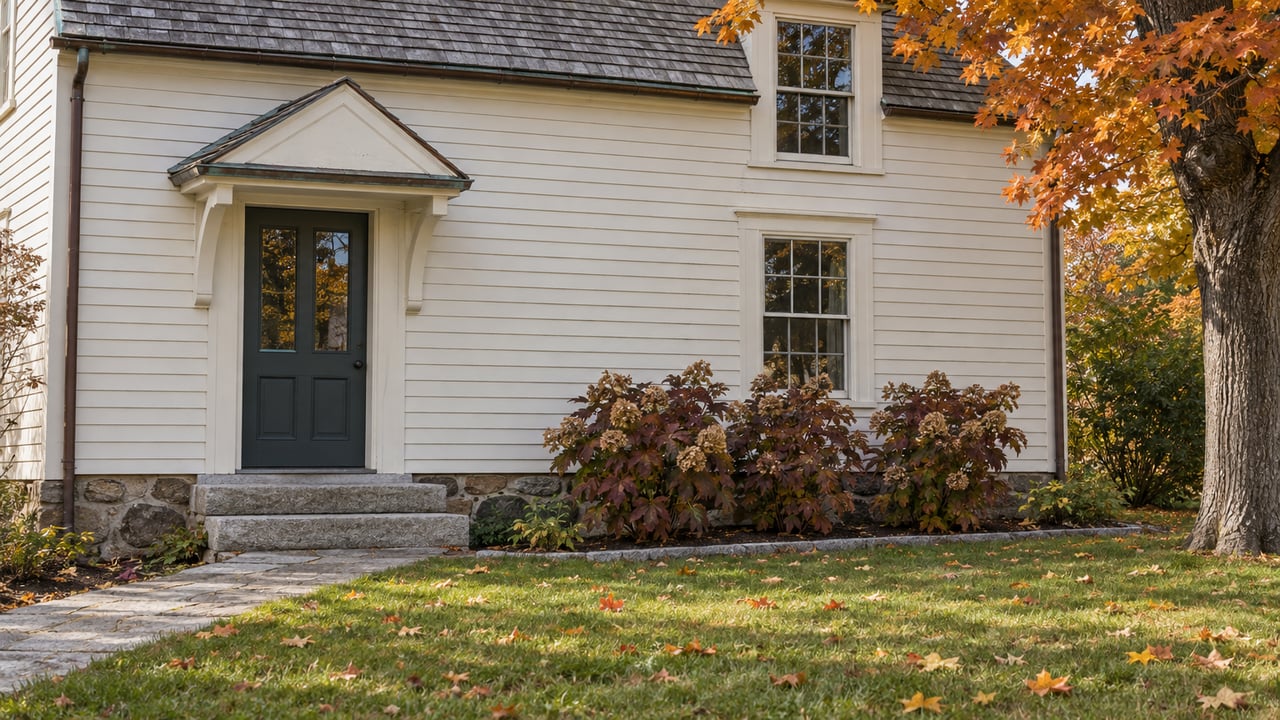
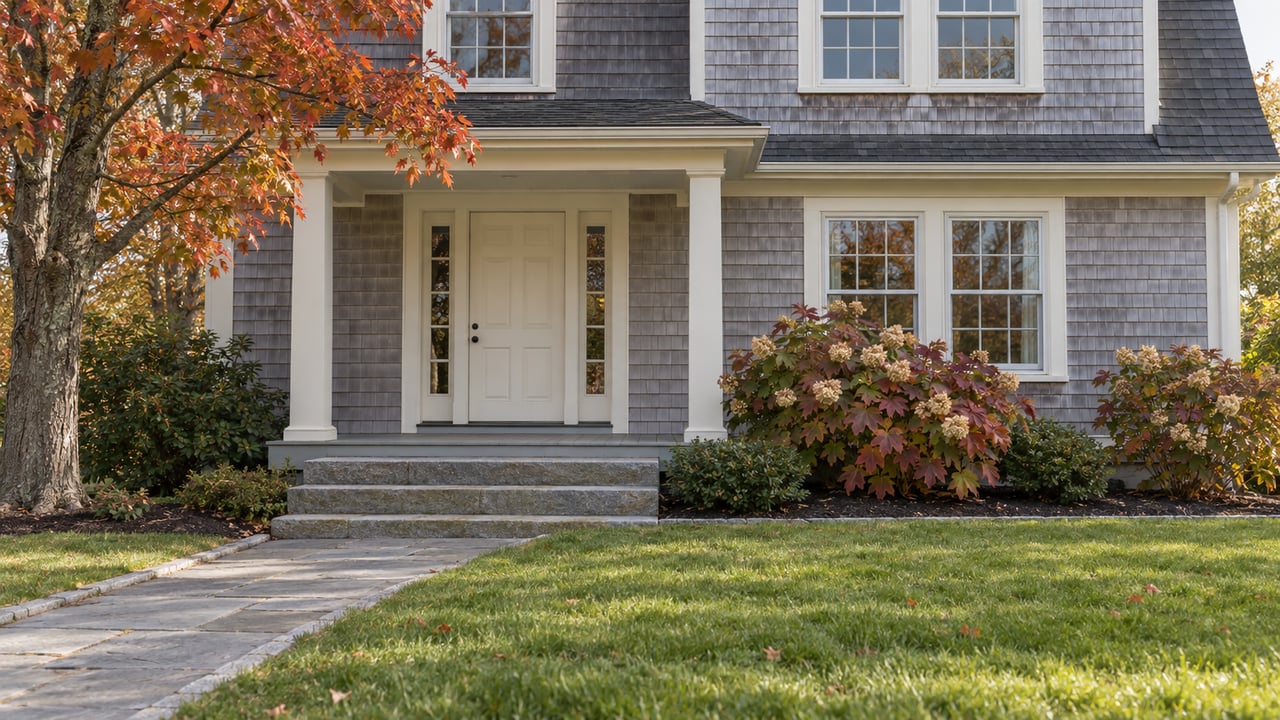
Essex is known for its visible historic character, and that character is not limited to one home style. Town materials and historic district documentation describe a mix of Federal, Victorian, Cape Cod, Georgian, Greek Revival, Italianate, Queen Anne, Tudor Revival, Bungalow/Craftsman, and other architectural styles.
That variety matters when you start your search. In Essex, a historic home might be a modest vernacular house or a more formal property with preserved architectural details like original rooflines, porches, window proportions, and traditional materials. Each home needs to be evaluated on its own condition, features, and long-term upkeep.
Understand the Type of Historic Designation
One of the first things to confirm is what kind of historic designation applies to the property. This can affect how you plan future improvements, especially on the exterior.
A National Register listing is often misunderstood. In Essex, the town makes clear that National Register status is recognition of significance, but it does not automatically restrict private ownership, sale, development, or ordinary use. It also does not automatically create local historic district zoning.
Local historic district rules are different. Connecticut guidance says local historic district and property designations can require local review and approval for proposed exterior architectural changes in designated areas. If you are considering updates like new windows, siding, roofing changes, or additions, this is an important detail to verify early.
Essex also has an Ad Hoc Historic Preservation Committee within its Planning and Zoning structure. That does not mean every property is restricted, but it does show that the town places a high value on preserving historic character across its three villages.
Focus on Moisture and Water Management
In older homes, moisture is often the issue behind many other problems. The National Park Service identifies uncontrolled moisture as the most common cause of deterioration in older and historic buildings.
That guidance is especially relevant in Essex. The town includes shoreline, river and cove water, and low-lying areas with flood hazards that generally follow the Falls and Mud Rivers, along with tidally influenced flooding near the Connecticut River.
When you tour or inspect a historic home, pay close attention to how the property handles water. A home can be beautiful on the surface but still have hidden issues tied to drainage, ventilation, or long-term water intrusion.
Key moisture checkpoints
- Roof condition
- Chimneys and flashing
- Gutters and downspouts
- Foundation condition
- Masonry and visible cracking
- Site grading and drainage away from the house
- Signs of basement or crawl-space dampness
- Ventilation and indoor humidity patterns
A weather-tight roof is especially important. Water intrusion from roofing failures can quickly damage older materials and trigger more expensive repairs.
Be Thoughtful About Windows and Masonry
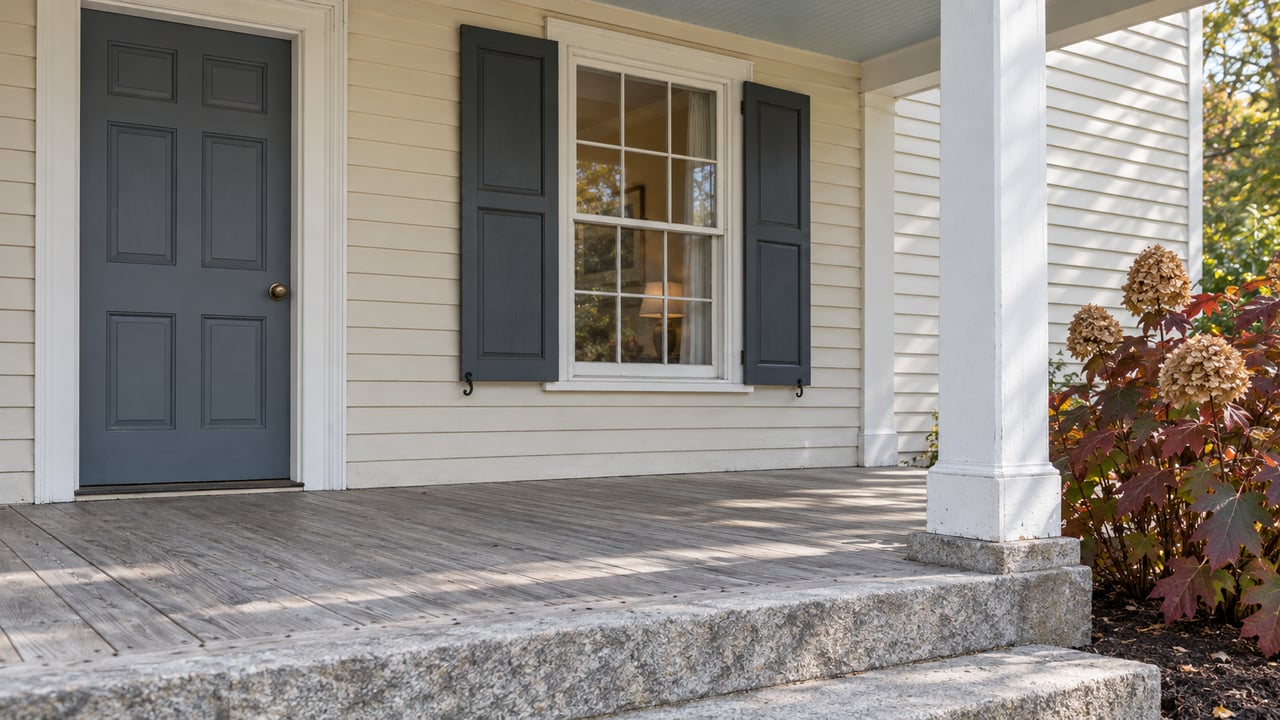
Historic windows are often one of the biggest decision points for buyers. You may hear that replacement is the easiest route, but preservation guidance says repair should come first when the original window can still be saved.
That matters both for character and for planning costs. If replacement becomes necessary, the new windows should remain compatible with the home’s historic appearance.
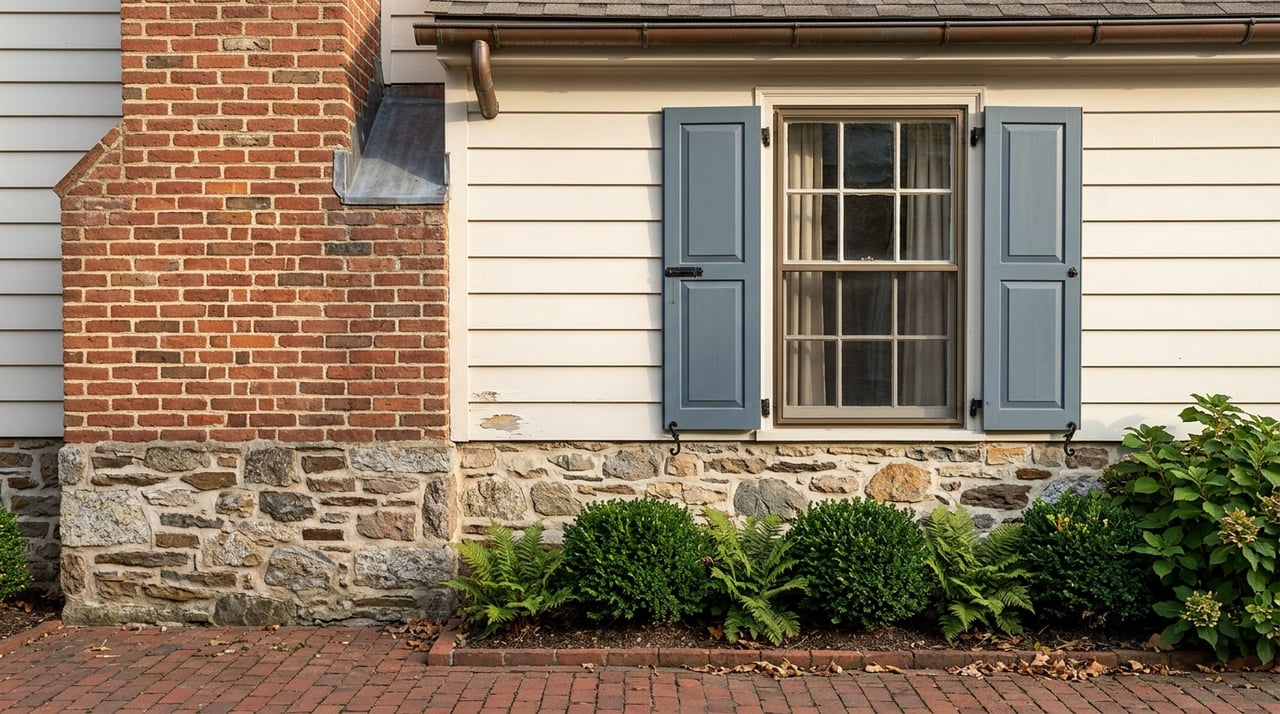
For older masonry homes, mortar matters more than many buyers realize. Repointing should match the original mortar in strength, composition, color, and texture. Using an incompatible mortar can damage historic brick or masonry over time.
Plan for Older-Home Inspections
A standard home inspection is important, but with a historic house, experience with older construction really matters. Many issues in older homes are connected, especially when moisture, roofing, masonry, and aging materials overlap.
If an inspector flags something more complex, it may make sense to bring in the right specialist. Depending on the issue, that could include a contractor with preservation experience or a professional who can better assess roofing, masonry, or moisture conditions.
Inspection areas to prioritize
- Roof age and active leaks
- Chimney stability and cap condition
- Exterior drainage patterns
- Foundation movement or water entry
- Window condition and repairability
- Masonry condition and prior repointing work
- Ventilation in attic, basement, or crawl spaces
Check for Lead Paint and Asbestos Risks
If the home was built before 1978, lead-based paint should be on your radar. EPA guidance says homes from that period are more likely to contain lead-based paint, and most pre-1978 sales involve lead disclosure requirements.
If you plan to renovate after closing, lead-safe work practices become even more important. Disturbing painted surfaces without proper precautions can create health and cleanup concerns.
Asbestos is another issue to handle carefully. You cannot tell just by looking whether a material contains asbestos. If a suspect material is damaged, or if planned work may disturb it, a trained and accredited asbestos professional should sample it before renovation begins.
Evaluate Flood Risk by Address
In Essex, flood risk is not something to treat as a general townwide question. It should be checked at the specific property level.
The town’s hazard planning points to flood exposure in low-lying areas along the Connecticut River and around the Falls and Mud Rivers. For buyers considering village, waterfront, or river-adjacent properties, that can affect insurance, maintenance planning, drainage improvements, and long-term ownership costs.
Questions to ask about flood risk
- Is the property in a mapped flood hazard area?
- Has the current owner carried flood insurance?
- Are there signs of past water intrusion or mitigation work?
- How does the lot drain during heavy rain or tidal events?
- Are outbuildings, basements, or lower levels more exposed?
This is one of those details that is worth confirming before you finalize your offer strategy.
Think Carefully About Energy Upgrades
Many buyers want to improve efficiency after moving in, and that can absolutely be worthwhile. Historic homes often have useful original features already, such as operable windows, natural light, and heavy masonry walls.
The key is to avoid making upgrades that create new problems or strip away important historic materials. Air sealing, insulation, and window work should be planned carefully so you improve comfort without trapping moisture or changing defining architectural features unnecessarily.
Ask About Tax Credit Opportunities Early
If you are planning a major rehabilitation project, Connecticut historic-home tax credit programs may be worth exploring. The state offers a Historic Homes Rehabilitation Tax Credit for qualifying owner-occupied historic homes, and there is a separate credit for qualifying income-producing historic structures.
Eligibility depends on factors like designation, use, and project scope. Because of that, it is smart to verify the property’s status and your potential options early in the process rather than after you have already built your renovation budget.
Balance Charm With a Realistic Ownership Plan
Buying a historic home in Essex is often as much a lifestyle decision as a real estate decision. Many buyers are drawn to the craftsmanship, setting, and architectural details that are hard to replicate in newer homes.
At the same time, a successful purchase usually comes down to preparation. You want a clear picture of condition, designation, flood exposure, likely maintenance needs, and any local review that could affect future projects.
Essex’s historic character is part of what makes the town so appealing, and local officials note that preserving that character supports residential property values and local businesses. For you as a buyer, that means the home’s story can be part of its value, but only if you go in with a practical plan and the right guidance.
If you are considering a historic home in Essex or anywhere along the Lower Connecticut River Valley, working with a local team that understands shoreline housing, property character, and the details behind older homes can make the process much smoother. When you are ready to start your search, connect with Nancy Mesham for thoughtful, hands-on guidance.
FAQs
What should you inspect first when buying a historic home in Essex?
- Focus first on moisture-related systems and conditions, including the roof, chimneys, flashing, gutters, foundation, masonry, drainage, and signs of basement or crawl-space dampness.
Does National Register status restrict changes to a historic home in Essex?
- No. Essex states that National Register listing is recognition, not an ownership restriction, and it does not automatically limit private use, sale, development, or ordinary maintenance.
Can a local historic district affect exterior renovations in Essex?
- Yes. Connecticut guidance says local historic district or property designations can require review and approval for proposed exterior architectural changes in designated areas.
Why is flood risk important when buying an Essex historic home?
- Essex has low-lying areas with flood hazards along the Connecticut River and around the Falls and Mud Rivers, so flood exposure can affect insurance, drainage planning, and long-term ownership costs.
Should you replace old windows in a historic Essex home?
- Not automatically. Preservation guidance says historic windows should be repaired rather than replaced when possible, and if replacement is necessary, the new windows should remain compatible with the home’s historic character.
Are there renovation health concerns in older Essex homes?
- Yes. Homes built before 1978 may contain lead-based paint, and some older materials may contain asbestos, so renovation plans should include proper disclosure review and professional evaluation when materials may be disturbed.