Wondering how to make your Old Saybrook home stand out before it hits the market? In a shoreline town where buyers notice light, outdoor living, and overall condition right away, smart preparation can shape both interest and offers. If you are planning to sell in 06475, a focused prep plan can help you highlight what buyers already love about this coastal market. Let’s dive in.
Why presentation matters in Old Saybrook
Old Saybrook sits at the mouth of the Connecticut River and Long Island Sound, with beaches, marinas, boat launches, preserved coastal forest, and scenic shoreline character. In this setting, buyers tend to notice outdoor spaces, natural light, and how well a home fits a water-oriented lifestyle.
Recent mid-2026 market data also show a market that is active but selective. One local data set reported a median sale price of $742,280 in 06475 over the three months ending May 2026, with homes averaging 33 days on market, while another showed a median listing price of $875,000 and 29 median days on market in April 2026. Even though those sources use different data sets, the takeaway is clear: pricing and presentation both matter.
Start with the online first impression
Most buyers begin their search online, and many decide whether a home is worth seeing in person based on photos and property details. National buyer research found that 43% of buyers started by searching the internet, 51% found the home they purchased through online searches, and photos, detailed property information, and floor plans were especially useful.
That means your home should feel ready online before it ever welcomes a showing. Clean rooms, strong lighting, and a polished photo set are not extras in this market. They are part of the launch strategy.
Focus on curb appeal first
If you are deciding where to spend time and money, start outside. In NAR’s 2025 outdoor features research, 92% of real estate professionals said they recommend curb appeal improvements before listing, and 98% said curb appeal matters to buyers.
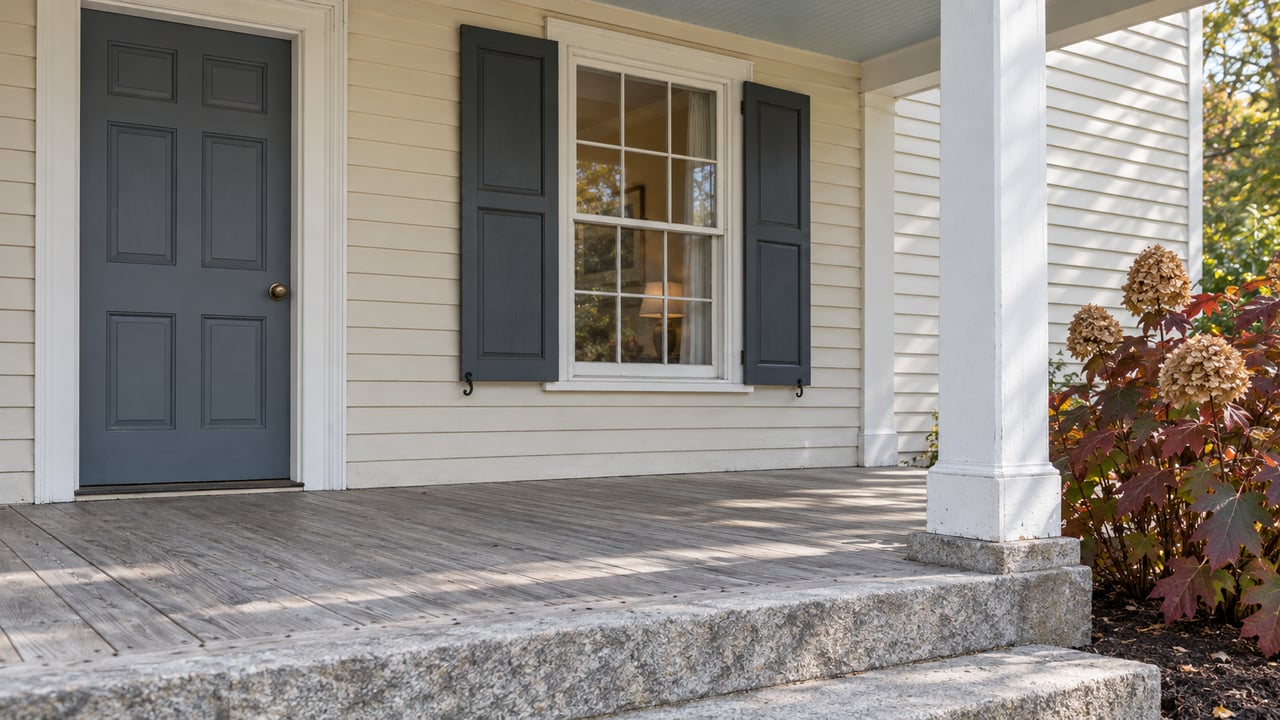
For an Old Saybrook home, that often means improving what buyers see right away instead of taking on major outdoor projects. Prioritize the front walk, entry, porch, roofline, gutters, paint touch-ups, windows, railings, and landscaping. A clean, well-kept exterior signals that the home has been cared for.
Simple curb appeal updates that count
- Power wash siding, walkways, and steps if needed
- Refresh mulch and trim planting beds
- Clean windows and entry glass
- Repair loose hardware or wobbly railings
- Repaint or freshen the front door
- Clear away worn or oversized decor
- Make sure gutters and rooflines look neat from the street
In a shoreline setting, simple and tidy usually works better than overdone. Buyers tend to respond well to homes that look bright, maintained, and easy to enjoy.
Let natural light lead
Light plays a big role in how a home feels in photos and in person. Staging research found that the living room matters most to buyers, followed by the primary bedroom and kitchen. Those are the spaces where lighting and layout deserve the most attention.
Open blinds, clean the windows thoroughly, and use consistent bulb color throughout the home. Dim rooms can feel smaller and less welcoming, while bright spaces photograph better and help buyers see the home’s potential.
Rooms to prioritize before photos
- Living room
- Primary bedroom
- Kitchen
- Dining area or main gathering space
Keep furniture layouts simple so sightlines stay open. In Old Saybrook, that often means making sure windows, porches, decks, or yard views feel connected to the living spaces inside.
Stage for shoreline living
Old Saybrook’s identity is tied to shoreline recreation and outdoor use in more than one season. Because of that, buyers may respond strongly to homes that show clear outdoor function, not just pretty landscaping.
Patios, decks, porches, side yards, and outdoor dining spots should feel usable and easy to imagine. You do not need major construction to create that effect. In many cases, a few well-placed seats, a clean table, and a tidy layout do more than an expensive project finished right before listing.
Outdoor spaces to highlight
- Front porch seating
- Deck or patio dining area
- A conversation area with simple furniture
- Organized storage for beach or boating gear
- A neat mudroom or drop zone
- Covered spaces that suggest comfort in cooler months
This matters because Old Saybrook is not just a summer market in appearance. The town’s shoreline character supports year-round use, so buyers often want to picture both warm-weather enjoyment and everyday livability.
Preserve character while simplifying
Old Saybrook has many older homes, including properties with deep architectural history. If your home has original details, the goal is usually not to erase them. It is to let them stand out.
That often means cleaning, decluttering, and repairing rather than modernizing every surface. Original millwork, wide-plank floors, built-ins, or period details can add appeal when the home feels orderly and well maintained.
Fix the small issues buyers notice fast
Some of the most important prep work is also the least glamorous. Common buyer turnoffs include odors, distracting noise, poor lighting, dripping faucets, creaky floorboards, and signs of dampness.
These details matter because they create a mental repair list. Even when the issue is minor, it can make buyers question larger systems or overall upkeep.
Low-cost fixes worth doing before listing
- Address musty or damp smells
- Repair dripping faucets
- Tighten loose handles or hardware
- Reduce squeaks or rattles where possible
- Replace burned-out bulbs
- Deep clean kitchens and baths
- Remove clutter from utility and storage areas
More than half of sellers’ agents in the 2025 staging report said they did not fully stage every home and instead advised sellers to declutter or correct property faults first. That is a helpful reminder that fixing distractions can matter as much as styling.
Gather shoreline paperwork early
For Connecticut sellers, preparation is not only visual. It is also about documentation. The Connecticut Department of Consumer Protection says sellers of residential property must provide the Residential Property Condition Report before a buyer signs a binder, contract, option, or lease with a purchase option.
The revised July 2025 form asks whether the property is in a flood hazard area or inland wetlands area and requires sellers to disclose known property problems to the best of their knowledge. In a coastal town like Old Saybrook, that makes early paperwork especially important.
Documents to pull together before listing
- Residential Property Condition Report materials
- Flood hazard or wetlands information, if applicable
- Septic maintenance records
- Permits for past work
- Records for drainage improvements
- Documentation for docks, seawalls, or bulkheads
- Notes on repairs tied to water intrusion or dampness
A well-documented property often feels easier for buyers to understand. That can help build confidence, especially when shoreline features or prior improvements may prompt extra questions.
Be careful with last-minute exterior work
Old Saybrook’s coastal resources guidance points to zoning and environmental rules that can affect what you do outside. These include a Coastal Area Management zone, a 50-foot setback from tidal wetlands, a 100-foot riparian buffer from the Connecticut River and its tributaries, and upland review areas around inland and tidal wetlands.
If you are thinking about adding hardscaping, regrading, changing drainage, or making other yard updates right before listing, check the applicable local rules before work begins. A rushed project can create complications instead of adding value.
Follow a smart prep sequence
One of the best ways to avoid overspending is to prepare in the right order. Research supports involving an agent early, before you commit to larger updates, since sellers often care most about pricing, marketing, and timing.
A practical sequence for an Old Saybrook sale looks like this:
- Agent walk-through and pricing conversation
- Repair triage
- Cleaning, decluttering, and curb appeal work
- Staging and lighting
- Photography and marketing prep
- Launch the listing
This kind of structure helps you focus on what buyers will actually see and respond to. It also helps ensure the home is fully ready before it appears online.
What matters most in this market
If you are selling in Old Saybrook, the strongest prep choices usually come back to a few basics. Buyers want a home that looks cared for, feels bright, shows outdoor usefulness, and gives them confidence about condition.
That does not always require a huge budget. It usually requires a clear plan, local judgment, and attention to the details that support shoreline appeal without overcomplicating the process.
If you are thinking about selling and want practical guidance on where to focus first, Nancy Mesham offers the kind of local insight, tailored marketing, and hands-on preparation that can help your home make a strong first impression.
FAQs
What should I fix first before selling my Old Saybrook home?
- Start with curb appeal, lighting, decluttering, and small repairs that buyers notice right away, such as odors, leaks, and worn exterior details.
How can I show shoreline appeal without overspending on upgrades?
- Focus on clean outdoor spaces, simple staging, bright interiors, and clear use of porches, decks, patios, and storage areas rather than taking on major last-minute construction.
What rooms matter most when preparing an Old Saybrook home for photos?
- Prioritize the living room, primary bedroom, and kitchen, since staging research shows those spaces matter most to buyers.
What disclosure paperwork should Connecticut home sellers gather early?
- Pull together the Residential Property Condition Report materials, flood or wetlands information if applicable, and records for permits, septic maintenance, drainage work, and shoreline-related structures.
Should I make yard or hardscape changes before listing an Old Saybrook property?
- Only after checking applicable local coastal and wetlands rules, since setbacks, buffers, and review areas may affect what work can be done.