By The Nancy Mesham Team
A home inspection is one of the most important steps in the buying process, and in the Old Lyme and Connecticut shoreline market it carries dimensions that buyers from other regions frequently encounter for the first time. The combination of historic properties, waterfront homes, and the specific environmental conditions of the Connecticut coast means that what a standard inspection covers, and what it does not, are both worth understanding before the contingency period begins.
Key Takeaways
- Connecticut requires home inspectors to be licensed by the Department of Consumer Protection
- Waterfront properties in Old Lyme require specialist evaluations beyond a standard home inspection
- Old Lyme's historic district requires a Certificate of Appropriateness for exterior modifications visible from public ways
- Radon testing and wood-destroying organism inspections are among the most commonly recommended add-on inspections for Connecticut buyers and both are worth scheduling alongside the general inspection
What a Standard Home Inspection Covers
A Connecticut home inspection covers the major systems and structural elements of the property, including the foundation, structure, roof, HVAC, plumbing, electrical, and accessible components. The inspection typically takes two to four hours and the written report is delivered within 48 hours. Connecticut-licensed inspectors are required to report specifically on smoke and carbon monoxide detectors, including their presence, location, number, and whether they appear to be under ten years old.
The general inspection is the starting point for due diligence, not the endpoint. In Old Lyme, where the housing stock includes properties with decades or centuries of history, the general inspection frequently surfaces items that warrant specialist follow-up. The inspector evaluates what is accessible and visible.
What a Standard Connecticut Home Inspection Covers
- Foundation, structure, and accessible framing
- Roof condition including visible shingles, flashings, gutters, and downspouts
- HVAC, plumbing, and electrical systems
- Smoke and CO detectors
Additional Inspections That Matter in Old Lyme
The general inspection is the foundation, but the property types common to Old Lyme require several additional evaluations not included in the standard scope. Radon is a naturally occurring gas that concentrates in lower levels of homes across Connecticut, and testing during the contingency period is strongly advisable. A radon test is conducted with a continuous monitor over a 48-hour period and results are available within a day or two of collection.
Wood-destroying organism inspections — covering termites, carpenter ants, and other pests — are separately recommended, and the NPMA-33 form most lenders require documents those findings. Water testing is relevant for any Old Lyme property on a private well, and a comprehensive panel should include bacteria, nitrates, and a full chemical analysis.
Additional Inspections Worth Scheduling in Old Lyme
- Radon testing, conducted with a continuous monitor over a minimum 48-hour period during the contingency
- Wood-destroying organism inspection that covers termites, carpenter ants, and other pests
- Water testing for properties on private wells
- Sewer scope and mold testing are optional add-on inspections
Waterfront-Specific Considerations
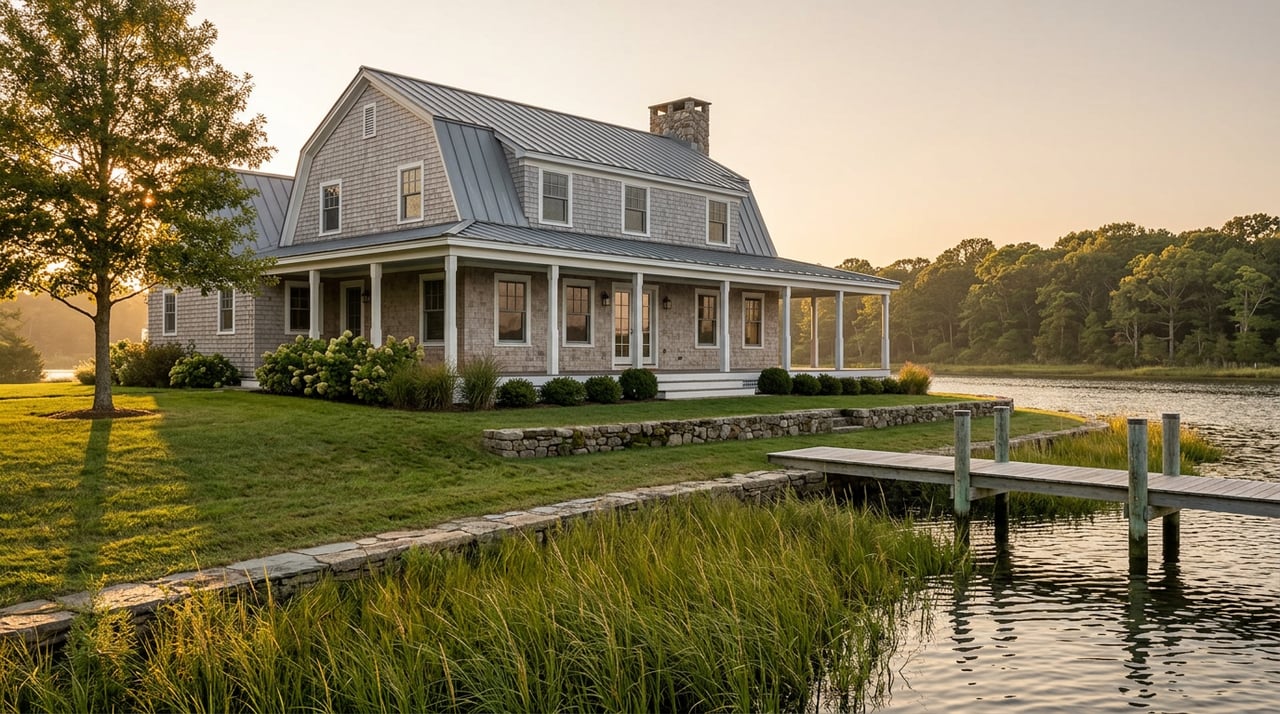
Waterfront properties in Old Lyme require a set of specialist evaluations that fall entirely outside the scope of a general home inspection. The dock, seawall, and any water-edge structures should be evaluated by a qualified marine surveyor. Pilings, decking, electrical systems, and boat lift equipment all deteriorate in the salt environment, and the results surface issues that a general inspector is not equipped to identify. Dock electrical systems in particular corrode rapidly in tidal salt environments and are among the most consistently flagged elements in shoreline property inspections.
Waterfront septic systems face specific stress — high water tables, saltwater intrusion, and shallow soil depth — and Connecticut requires advanced treatment systems for waterfront properties. A septic inspection that includes pumping, camera inspection, and soil evaluation is not optional for waterfront purchases, and buyers should budget for the possibility that an upgrade may be required.
What Waterfront Property Buyers Should Evaluate
- Marine survey for any dock, seawall, or water-edge structure
- Septic inspection with pumping, camera inspection, and soil evaluation
- Well water testing with a panel including bacteria, nitrates, and salinity
- Confirm dock permit status
Historic District Considerations
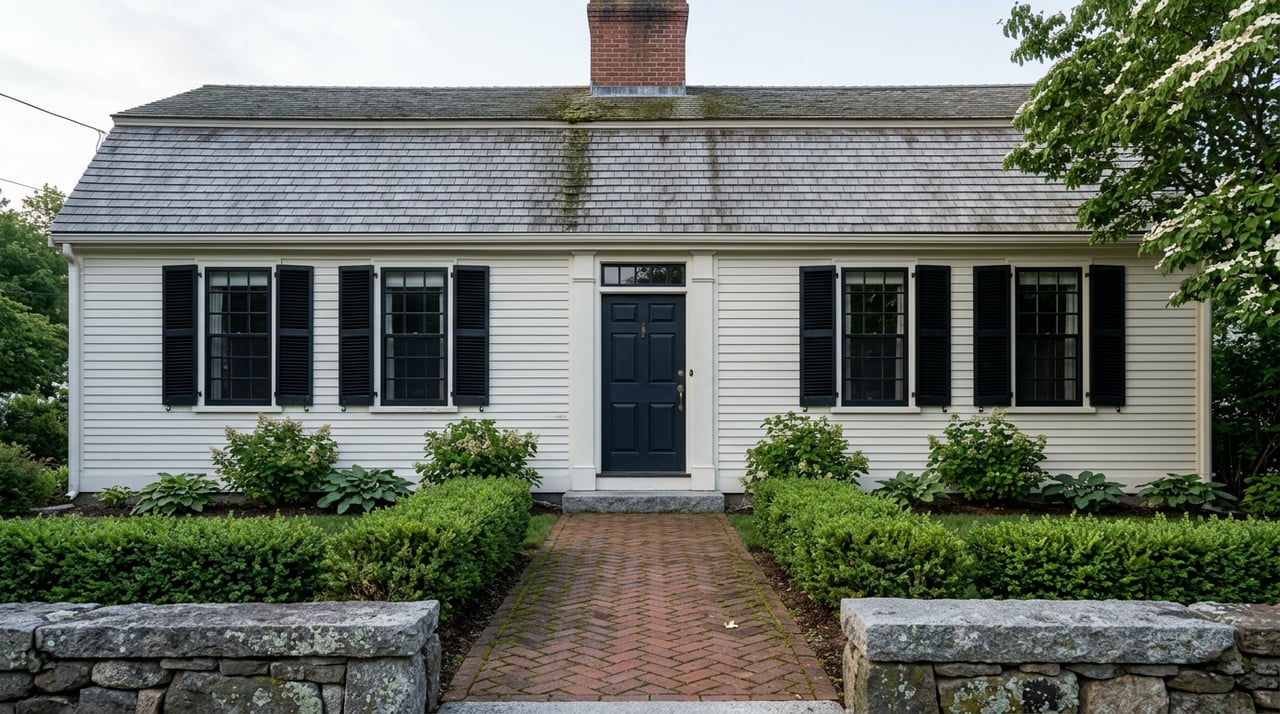
Properties within Old Lyme's Historic District require review by the Historic District Commission for any exterior changes visible from public ways. A Certificate of Appropriateness is required before any exterior element is built, modified, or demolished within the district. This applies broadly: windows, roofing, additions, pools, fencing, HVAC units, and a wide range of other exterior elements all fall within the Commission's jurisdiction.
Buyers planning renovation work on a historic district property should understand the approval process before the inspection contingency expires and before renovation plans are finalized.
What Historic District Buyers Should Know Before the Contingency Expires
- A Certificate of Appropriateness is required for any exterior change visible from a public way
- The Commission meets the first Monday of each month at Old Lyme Memorial Town Hall
- The review standard focuses on whether a proposed change enhances or preserves the character of the Historic District
- Contact the Old Lyme Historic District Commission before finalizing renovation plans
FAQs
Is a home inspection required to buy a home in Connecticut?
A home inspection is not legally required but is an essential step for virtually every buyer. The inspection contingency in a Connecticut purchase contract gives buyers the right to negotiate repairs, request credits, or exit the contract based on findings — protections that are forfeited if no inspection is conducted. In Old Lyme's waterfront and historic market, the inspection contingency and the due diligence it enables are among the most important protections available to buyers.
How long does the inspection period last in a Connecticut purchase contract?
The inspection period in a typical Connecticut residential purchase contract runs approximately 10 to 15 days from the date of the fully executed contract. Buyers should schedule the general inspection immediately upon contract execution to allow time for specialist follow-up — radon testing, marine surveys, septic evaluations, and well testing all require their own scheduling lead times within the contingency window.
What happens if the inspection reveals significant issues?
Buyers can request repairs, negotiate a price reduction or closing credit, accept the property as-is, or exit the contract within the inspection contingency and recover their earnest money. The right response depends on the nature of the findings, the buyer's plans for the property, and the current state of negotiations.
Contact The Nancy Mesham Team Today
Navigating the inspection process in Old Lyme and the Connecticut shoreline market is something we guide our buyers through at every step. Whether you are evaluating a waterfront property, a historic home, or a seasonal retreat on the coast, we bring the local knowledge and experience to make sure due diligence is done right.
Reach out through The Nancy Mesham Team to connect with our team and get started.